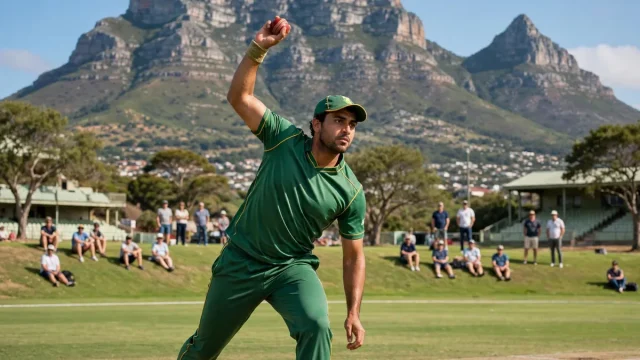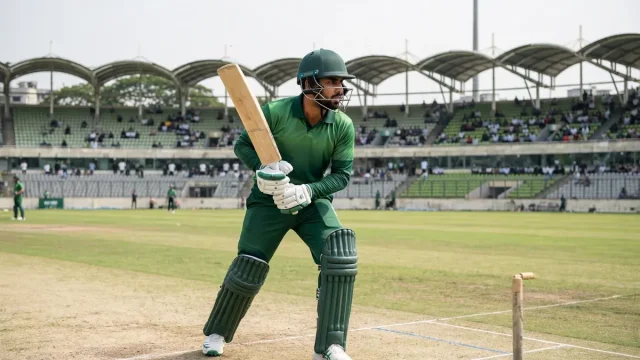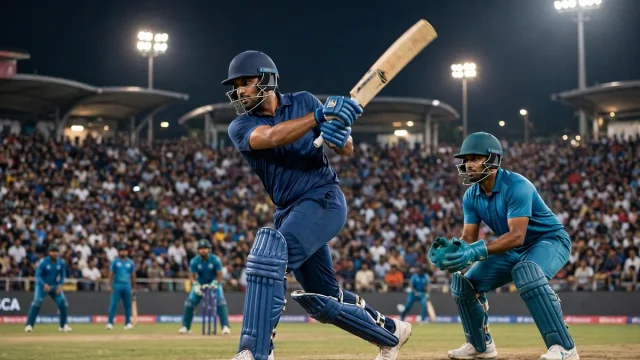

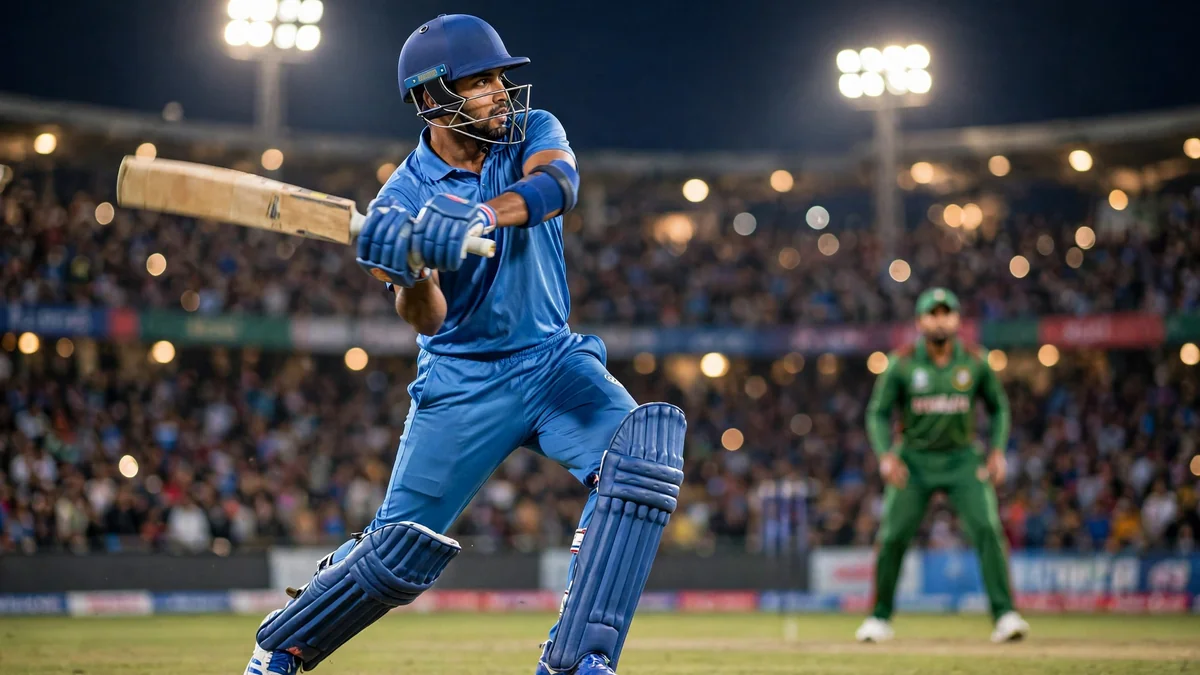
The India vs Bangladesh Asia Cup 2016 story began with a rescue act and ended with a title. On 24 February 2016, in the tournament opener at the Shere Bangla National Stadium in Mirpur, India were 42 for 3 before Rohit Sharma’s 83 off 55 balls carried them to 166 for 6. Bangladesh never recovered and were held to 121 for 7, India winning by 45 runs. Eleven days later, the same two teams met in the final at the same ground, and India won again, this time by eight wickets in a rain-shortened match, to lift their sixth Asia Cup title and their first in the T20 format. Between those two matches, India did not lose a game in the tournament.
The Asia Cup 2016 was the first edition played in the T20 format, and India arrived as the world’s top-ranked T20I side. Bangladesh, playing at home, had reached the final of the 2012 edition and were a dangerous side in their own conditions. The opener was supposed to be a comfortable win for India. For the first ten overs, it looked like anything but.
India vs Bangladesh Asia Cup 2016: The Opener at Mirpur
Bangladesh won the toss and chose to bowl on a rain-affected pitch that helped the seamers. The decision looked inspired within the first eight overs. Shikhar Dhawan fell for 2, Virat Kohli made 7, and Suresh Raina 13, and India were 42 for 3. Rohit, dropped on 21 by Shakib Al Hasan, made Bangladesh pay. He struck seven fours and three sixes in his 83 off 55 balls, the highest individual score of the main tournament, and added 55 runs for the fourth wicket with Yuvraj Singh, who made 15, and 61 runs for the fifth wicket with Hardik Pandya, who made 31 off 18 balls. MS Dhoni finished unbeaten on 8, and India closed on 166 for 6.
Bangladesh’s chase never got going. Ashish Nehra took 3 for 23, and Jasprit Bumrah, Pandya and Ravichandran Ashwin took one wicket each, all three conceding exactly 23 runs. Sabbir Rahman top-scored for Bangladesh with 44 off 32 balls, and Mushfiqur Rahim finished unbeaten on 16, but the hosts were held to 121 for 7. India won by 45 runs, and Rohit was named Player of the Match.
The win set the tone for India’s tournament. The batting had been tested and had recovered, the bowling had defended a total with discipline, and the side had won its first match in Bangladesh without ever looking in danger after Rohit’s rescue.
The Final: India vs Bangladesh Asia Cup 2016, 6 March 2016
The final, played at the same ground on 6 March, was reduced to 15 overs a side by rain. Bangladesh batted first and made 120 for 5. Mahmudullah struck an unbeaten 33 off 13 balls, Sabbir made 32 not out, and Shakib Al Hasan 21. Bumrah was the pick of India’s bowlers with 1 for 13.
India’s chase was built on a 94-run second-wicket stand between Dhawan and Kohli. Dhawan top-scored with 60 off 44 balls, and Kohli finished unbeaten on 41 off 28. Dhoni, unbeaten on 20 off 6 balls, finished the match in style, hitting two sixes and a four off Al-Amin Hossain in the 14th over as India reached 122 for 2 in 13.5 overs. India won by eight wickets with seven balls to spare, lifting their sixth Asia Cup title.
The final was a fitting end to India’s campaign. They had been unbeaten throughout the tournament, beating Bangladesh, Pakistan, Sri Lanka and the United Arab Emirates in the group stage, and the final was their tenth win in eleven T20 internationals. The side that had been whitewashed in Australia, beaten Sri Lanka 2-1 at home and then swept the Asia Cup was, by any measure, the best T20 team in the world heading into the World T20.
Sabbir Rahman: Bangladesh’s Star of the Tournament
If India owned the tournament, Sabbir Rahman owned its batting charts. The Bangladesh batsman scored 176 runs in five innings at an average of 44.00 and a strike rate of 123.94, the most by any batsman from a Test-playing nation in the tournament, and he was named Player of the Tournament. His 80 off 54 balls against Sri Lanka came in the first T20I Bangladesh had ever won against them, and his 44 in the opener against India was his side’s top score.
Kohli was second on the list with 153 runs, and Dinesh Chandimal third with 149. Sabbir’s award was a consolation for a Bangladesh side that had reached the final at home and lost it, but it recognised a tournament in which he had carried his team’s batting almost single-handedly.
What the Two Matches Showed
The opener and the final, taken together, showed why India won the tournament and why Bangladesh reached the final. India’s strength was its depth: when the top order failed in the opener, Rohit and Pandya rebuilt; when the chase in the final needed a fast start, Dhawan provided it; and the bowling, led by Nehra in the opener and Bumrah in the final, never let Bangladesh post a total India could not chase.
Bangladesh’s strength was their home record and their belief. They had beaten Sri Lanka in a T20I for the first time, reached the final in front of their own fans, and produced the tournament’s leading batsman. But against India, they were outplayed twice, and the gap between the sides was clear in both matches.
The Asia Cup was also a staging post for the World T20. India went into the home tournament as favourites, and the unbeaten run in Bangladesh was the form that carried them there. Bangladesh went in with confidence and a settled side, and they would go on to push India to the final ball in a famous World T20 match at Bangalore three weeks later, losing by one run. For the full tournament picture, see our guide to the T20 World Cup points table and our ICC Men’s T20 World Cup 2022 full guide.
| India vs Bangladesh, Asia Cup 2016 | Opener, 24 Feb | Final, 6 Mar |
|---|---|---|
| Venue | Shere Bangla National Stadium, Mirpur | Shere Bangla National Stadium, Mirpur |
| India | 166/6 (20 overs) | 122/2 (13.5 overs) |
| Bangladesh | 121/7 (20 overs) | 120/5 (15 overs) |
| Result | India won by 45 runs | India won by 8 wickets |
| Player of the Match | Rohit Sharma (83 off 55) | Shikhar Dhawan (60 off 44) |
Sources: cricbuzz.com, cricstats.in, sports.ndtv.com, en.wikipedia.org.